
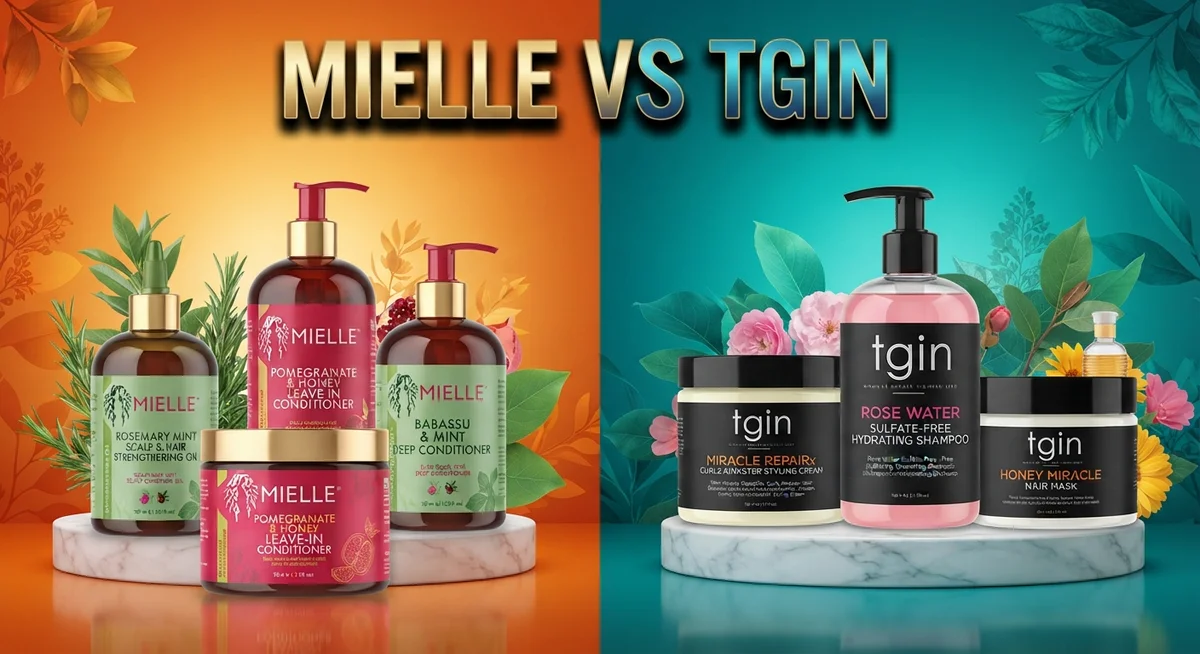
Mielle vs TGIN: Which Natural Hair Brand Delivers Better Results?
Choosing the right hair care line can feel confusing. Mielle and tgin both promise healthy, beautiful hair.
But they take different paths to get there.
Mielle Organics built its name on nourishing extract blends and simple formulations. Many fans love the Rosemary Mint line for hair strengthening.
However, some users report buildup and leaky caps with regular use.
Tgin, short for Thank God It’s Natural, focuses on clean ingredients. It skips parabens, sulfates, and artificial colors.
Its shea butter and olive oil blends offer deep conditioning for damaged or color treated hair.
Both brands have loyal followers in the natural hair community. Yet they differ in ingredient philosophy, texture, and results over time.
This guide breaks down what each brand does best. We will compare formulas, strengths, and weaknesses side by side.
By the end, you will know exactly which brand fits your hair type and goals.
Quick Comparison: Mielle vs Tgin
| Feature | Mielle | Tgin |
|---|---|---|
| Formulation Style | Simple, extract-based blends | Small-batch, natural ingredients |
| Key Ingredients | Rosemary mint, soybean/almond oil | African shea butter, olive oil |
| Clean Ingredient Standards | Not emphasized | No parabens, sulfates, petrolatum |
| Consistency/Texture | Can be heavy, buildup-prone | Thick, good hold and definition |
| Performance | Mixed long-term results | Effective for damaged/color-treated hair |
| Packaging | Leaky, uneven caps reported | Not reported as an issue |
| Safety Concerns | Hair loss lawsuit allegations | No major safety complaints |
| Best Use Case | Short-term conditioning | Long-term natural hair care |
Mielle Review

- Intense Moisture & Hydration - Formulated with curly hair types in mind, our natural leave in conditioner...
- Healthy Ingredients for Healthy Hair - Infused with pomegranate, honey, babassu oil and citrus extracts, this...
- Effortless Detangling & Reduced Breakage - Our hair moisturizer is designed to smooth and condition every...
Last update on 2026-10-24 / Affiliate links / Images from Amazon Product Advertising API
Mielle Organics
Mielle Organics specializes in nourishing extract blends designed for hair lengthening and strengthening. The brand offers both travel and full-size formats, making it accessible for quick trials or regular use.
The Rosemary Mint line stands out with 30+ essential oils and extracts packed into each formula. Simpler options like 3-ingredient oils with soybean or almond oil appeal to users who prefer minimal ingredient lists.
Initial results often impress, especially for smoothing and conditioning in the short term. However, many users report product heaviness and buildup after consistent use, which can weigh hair down over time.
Real-world feedback raises concerns about quality control, including leaky caps and uneven application. Some users have reported hair loss and thinning, with ongoing lawsuit allegations affecting brand trust.
Pros
- Nourishing extract blends deliver visible smoothing and conditioning effects
- Simple formulations (some with just 3 ingredients) appeal to minimalist users
- Travel sizes let you test before committing to full bottles
Cons
- Product buildup and heaviness reported with regular use
- Leaky or uneven caps create messy application experiences
- Hair loss and thinning complaints; ongoing safety concerns and lawsuit allegations
Tgin Review

- HEALTHY NATURAL HAIR: Our shampoo and conditioner set for both men and women includes two products to give you...
- ULTIMATE TREATMENT: The Sulfate Free Shampoo and Triple Moisture Replenishing Conditioner work together to...
- SULFATE FREE SHAMPOO: This shampoo is enriched with both Coconut oil, to gently cleanse your hair, and Pro...
Last update on 2026-10-24 / Affiliate links / Images from Amazon Product Advertising API
TGIN (Thank God It’s Natural)
TGIN stands for Thank God It’s Natural, and the brand lives up to its name with small-batch formulations free from parabens, sulfates, petrolatum, lanolin, and artificial colors. This line suits anyone seeking clean, natural ingredients without compromise—especially those with color-treated, damaged, or dry hair.
The standout feature is TGIN’s use of African shea butter and olive oil, which deliver deep conditioning results that users notice quickly. The thicker consistency provides excellent hold and definition, earning TGIN a reputation as a best-rated natural hair product in the community.
Build quality reflects the brand’s commitment to natural care. No animal testing means you support ethical practices with every purchase.
Real-world performance shines for those treating damaged strands or maintaining color, with many users reporting sustained improvement over weeks and months.
One limitation: some users report dryness despite the “repair” messaging, and breakage prevention varies by hair type. Overall, TGIN delivers consistent, long-term results for natural hair enthusiasts.
Pros
- Strong focus on clean, natural ingredients with no harmful additives
- Deep conditioning highly effective for color-treated and damaged hair
- Excellent scent profile and thicker consistency for better hold
- Cruelty-free and ethically produced
Cons
- Some users experience dryness despite repair claims
- Breakage prevention results vary depending on individual hair type
Head to Head: Key Differences
Mielle Organics and TGIN take different approaches to natural hair care, and understanding these differences helps you pick the right fit for your hair.
Mielle focuses on extract blends and quick results. The Rosemary Mint line packs 30+ essential oils into each bottle, targeting hair lengthening and strengthening. Many users see smoothing effects within the first few applications.
TGIN emphasizes clean formulations and long-term performance. The brand removes parabens, sulfates, petrolatum, and artificial colors entirely. Small-batch production ensures consistency across every bottle.
Quality control matters here. Mielle users report issues with leaky caps and uneven product distribution during application. TGIN’s thicker consistency and sealed packaging prevent these frustrations.
Safety concerns separate these brands significantly. Mielle faces ongoing complaints about hair loss and thinning, with lawsuit allegations pending. TGIN maintains a strong safety record with no animal testing and transparent ingredient sourcing.
Ingredient philosophy differs too. Mielle uses simpler formulas, sometimes with just three ingredients like soybean or almond oil. TGIN leverages African shea butter and olive oil for deeper conditioning benefits.
Performance varies by hair type. Mielle delivers short-term smoothing for most users but causes buildup with extended use. TGIN excels for color-treated and damaged hair, though some users report dryness despite repair claims.
Best use cases are clear. Choose Mielle if you want quick conditioning results and minimal ingredients. Choose TGIN if you prioritize clean beauty standards, consistent performance, and long-term hair health.
The key difference: TGIN builds trust through transparency and safety, while Mielle prioritizes visible results with some real-world concerns attached.
Which One Should You Buy
Tgin comes out as the overall winner in this comparison. It offers cleaner formulations and consistent performance every time you use it.
Tgin also delivers effective deep conditioning without the safety concerns linked to Mielle. This makes it the more reliable choice for daily hair care.
Mielle still holds value for specific needs. But Tgin wins on trust and long-term results.
Best for each buyer
- Mielle: Best for users who want short-term conditioning and quick smoothing results. Its nourishing extract blends work well for fast touch-ups.
- Tgin: Best for people with color-treated, damaged, or dry hair. It suits anyone seeking long-term natural hair care with clean ingredients.
Frequently Asked Questions
Does Mielle or TGIN work better for color-treated hair?
TGIN pulls ahead for color-treated hair. The brand’s deep conditioning formula with African shea butter and olive oil keeps dyed strands hydrated and vibrant.
Many users report sustained results over weeks of use. Mielle works faster but may not hold color-treated hair protection long-term. If your hair is dyed, TGIN gives you the consistency you need.
Why do some people report hair loss with Mielle?
Mielle faces ongoing complaints about hair thinning and loss. Safety concerns remain a key difference between these brands. Some users link the issue to product buildup or ingredient sensitivity.
TGIN avoids this problem entirely with its clean formulation approach. If hair health is your top concern, TGIN’s track record feels safer.
Which brand has fewer irritating ingredients?
TGIN removes parabens, sulfates, petrolatum, lanolin, and artificial colors. The brand also skips animal testing.
Mielle uses simpler formulas but reports ingredient changes and irritation complaints over time. TGIN’s small-batch approach means consistency across bottles. For sensitive scalps, TGIN offers more peace of mind.
Can I use Mielle for quick results before trying TGIN?
Yes, Mielle works well for short-term conditioning and fast smoothing. Travel sizes let you test the brand risk-free.
Just know that long-term performance may drop off. TGIN is the better choice if you want results that last weeks, not days. Many people start with Mielle, then switch to TGIN for maintenance.
Which brand has better quality control?
TGIN wins here. Mielle users report leaky caps and uneven product distribution during application.
TGIN’s thicker consistency and sealed bottles prevent mess. Quality matters when you’re applying products to your hair regularly. TGIN delivers a smoother, cleaner experience from bottle to scalp.

Dillip is a passionate lifestyle blogger and product enthusiast dedicated to helping readers navigate the ever-evolving world of fashion, beauty, and wellness. With a keen eye for quality and a commitment to honest reviewing, Dillip combines thorough research with practical insights to deliver trustworthy recommendations.


