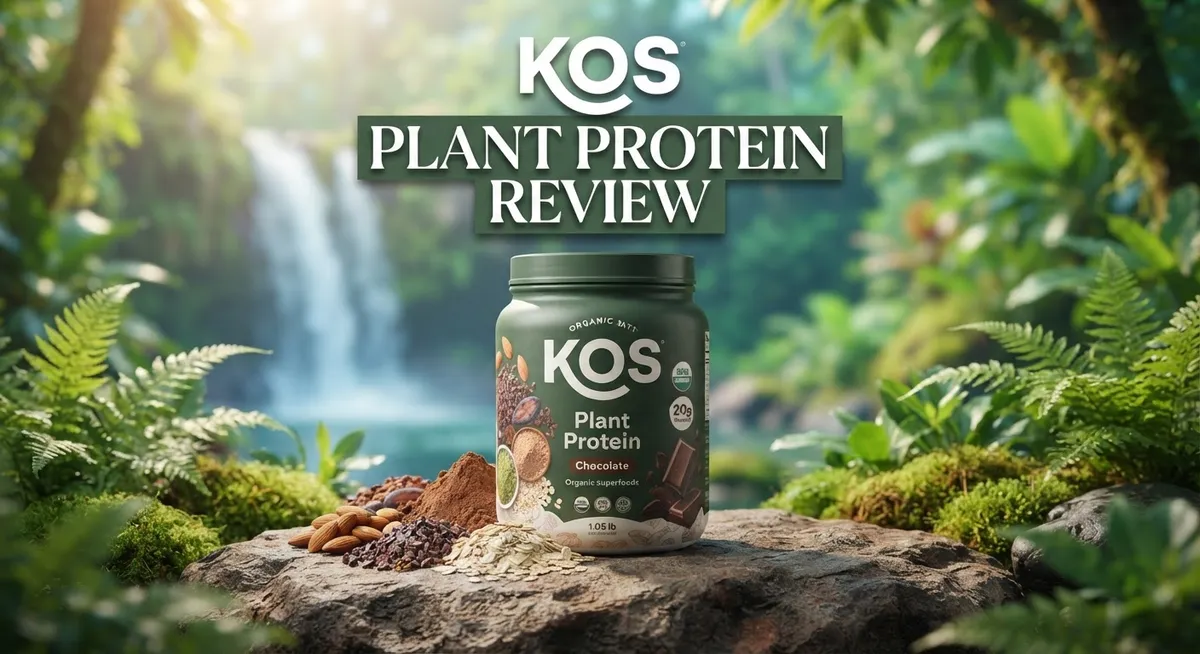
Kos Plant Protein Review: Complete Analysis of Organic Powder Quality and Safety
Plant based protein powders often taste chalky. They also skip key nutrients. Does KOS Plant Protein solve these problems?
This protein blend mixes five plant sources. Pea, pumpkin seed, quinoa, chia, and flax combine here. Each serving gives you 20g of protein and 3g of fiber.
KOS also adds 12 essential vitamins and minerals. Digestive enzymes help your body absorb everything. This formula works as a true meal replacement.
Customers rate this powder 4.9 out of 5 stars. Many praise its taste and smooth texture. That’s rare for plant based options.
But safety questions remain. Reports mention PFAS and heavy metals in protein powders. We will check how KOS handles these concerns.
This review covers taste, nutrition, and safety data. You will learn if KOS fits your daily routine. Let’s break down what makes this powder unique.
In a Nutshell
-
USDA Organic certified: This formula meets strict organic farming standards, giving you a cleaner ingredient list.
-
Each scoop delivers 3g of fiber plus digestive enzymes. This combo supports gut health and smoother digestion.
-
Independent, ISO accredited labs test every batch for heavy metals. This step adds a layer of quality control beyond company claims.
-
You get 28 servings per container. Choose from Chocolate, Vanilla, or Unflavored options based on your taste.
-
Some users flagged PFAS contamination in testing. These bioaccumulative toxins raise long term health questions.
-
A 2026 Consumer Reports study found high lead levels across most protein powders, not just this brand. This makes label claims worth extra scrutiny.
-
Many buyers use this powder as a meal replacement since it packs vitamins and minerals into one scoop.
-
Compared to whey, the taste still lags behind for some picky drinkers.
Protein Source and Nutritional Profile
Kos Plant Protein pulls its amino acids from five different plant sources working together. You get pea protein, pumpkin seed, quinoa, chia, and flax all combined in one scoop. This blend approach helps create a more complete amino acid profile than single source plant powders.
Each serving delivers 20g of protein to support muscle recovery and daily nutrition needs. The formula also includes 3g of fiber, which aids digestive health and keeps you feeling fuller longer.
Beyond protein and fiber, this powder contains 12 essential vitamins and minerals your body needs. Added digestive enzymes help break down the plant proteins so your stomach can absorb them more easily. This makes the formula gentler on digestion compared to some other plant based options.
The USDA Organic certification means the ingredients meet strict farming standards without synthetic pesticides or artificial additives. Third party testing through ISO accredited labs checks every batch for heavy metal contamination. This testing step shows the company takes safety seriously and verifies what’s actually inside the container.
One container holds 28 servings, giving you roughly a month’s supply if you use it daily. The powder comes in three flavors: Chocolate, Vanilla, and Unflavored for maximum flexibility. You can mix it into smoothies, oatmeal, or baked goods depending on your preference.
Customers rate this protein 4.9 out of 5 stars, suggesting most people find it satisfactory. Many users praise how well it dissolves and mixes compared to grittier plant powders on the market. The taste remains acceptable for a plant based option, though some drinkers still prefer whey protein flavor.
The nutritional profile makes this powder suitable as a meal replacement since it combines protein, fiber, vitamins, and minerals. One shake can serve as a quick breakfast or lunch when you’re short on time. This versatility appeals to busy people seeking convenient nutrition in one scoop.

- Amazing Flavor: Infused with organic vanilla, Himalayan salt, organic coconut milk, a dash of stevia & monk...
- Weight Management Support: The soluble fiber in plant protein gives you that “full” feeling for a longer...
- Digestion Support: Enhanced with powerful digestion support by Digestive Enzymes, a proprietary digestive...
Last update on 2026-10-26 / Affiliate links / Images from Amazon Product Advertising API
Taste, Mixability, and Flavor Options
Kos Plant Protein comes in three flavor options. You can choose Chocolate, Vanilla, or go with the Unflavored/Unsweetened version. Each option lets you customize how you drink it based on your preference.
The Chocolate flavor tastes smooth and rich for a plant based powder. Many customers say it reminds them of chocolate milk rather than a chalky supplement drink. The Vanilla option works well on its own or mixed into smoothies and oatmeal.
If you want flexibility, the Unflavored version lets you add your own taste. You can blend it with fruit, coffee, or other ingredients without competing flavors. This option appeals to people who make creative protein smoothies.
Mixability matters when you’re making a drink every day. This powder dissolves quickly in liquid without leaving clumps at the bottom. Most users report smooth results when they shake it with water, milk, or a blender. The five plant sources create a texture that’s lighter than some competing plant proteins.
You’ll notice the taste sits somewhere between plant based and traditional protein powders. It doesn’t match whey protein in flavor intensity, but it performs better than many other plant options. The digestive enzymes included in each scoop help your body absorb the nutrients, which also supports better digestion overall.
Mixing instructions are simple. Add one scoop to 8 to 10 ounces of your liquid of choice. Shake well or blend for 30 seconds. The powder combines easily without special equipment.
Temperature makes a difference too. Cold water or milk creates the best texture and taste. Some people prefer blending it with ice for a creamier consistency. Hot liquids work but can affect the flavor slightly.
The Vanilla flavor pairs especially well with almond milk and berries. Chocolate mixes nicely with banana or coffee. Unflavored blends into savory recipes like protein pancakes or energy balls if you want something different.
Overall, taste and mixability rank as strengths for this plant protein. You get smooth consistency, pleasant flavors, and easy preparation every time.
Heavy Metal Testing and Safety Concerns
Kos Plant Protein undergoes third party testing through ISO accredited laboratories. This testing checks for heavy metals in each batch before the product reaches your hands. The company takes this step seriously because contamination risks are real in the supplement industry.
However, some users have reported PFAS contamination in their testing. PFAS stands for per and polyfluoroalkyl substances. These are bioaccumulative toxins that build up in your body over time. Even though Kos tests for heavy metals, PFAS detection suggests gaps may exist in their full safety screening process.
A 2026 Consumer Reports study examined most protein powders on the market. Researchers found high lead levels across nearly all brands tested. This means Kos is not alone in facing heavy metal concerns. The study showed that plant based powders sometimes contain higher lead concentrations than whey options due to soil absorption.
The key question becomes whether third party testing actually catches everything. ISO accredited labs follow strict protocols. Yet the PFAS reports from customers raise questions about what gets tested versus what gets missed. Lead, cadmium, and arsenic are common targets in standard testing. PFAS screening requires different methods and costs more money.
You should know that heavy metals occur naturally in soil. Plants absorb these elements as they grow. Organic farming helps reduce synthetic contamination but cannot eliminate natural heavy metals entirely. This affects all plant based proteins, not just this brand.
If heavy metal safety concerns matter to you, ask Kos directly about their full testing scope. Request their lab reports and see exactly which contaminants they screen for. Some companies test for 5 metals while others check for 20 or more. Transparency here shows how seriously a brand takes your safety.
The USDA Organic certification provides one layer of protection. Third party testing adds another layer. Yet neither guarantee removes all risk. Reading customer reviews about health effects helps too. Most users report no issues, but some mention digestive problems or concerns after long term use.
Top 3 Alternatives
Orgain Organic Protein

- CLEANER INGREDIENTS: 21g of Organic plant based protein and 1g sugar. Our protein blend contains Organic peas...
- HIGHER STANDARDS: This product is vegan, contains no erythritol, gluten-free, kosher, made without soy...
- USDA ORGANIC & CERTIFIED PLANT-BASED: To ensure we are delivering on high-quality products, we use third...

Last update on 2026-10-24 / Affiliate links / Images from Amazon Product Advertising API
Orgain Organic Protein offers a clean formula with organic ingredients you can recognize. This powder mixes well and tastes smooth without chalky aftertaste. You get protein from organic pea, organic chia, and organic hemp seeds.
The product contains no artificial sweeteners or flavors. Real vanilla or chocolate taste comes from actual cocoa and vanilla. Each serving provides around 20 grams of protein, making it solid for post-workout recovery.
Many users appreciate the digestibility. Your stomach processes this formula easily compared to other plant powders. The ingredient list stays short and simple, which matters if you have food sensitivities.
Garden of Life Raw Organic

- WHAT’S THE SCOOP: Why have a snack when you can have the whole meal? These all-in-one protein shakes are...
- DOWNRIGHT DELICIOUS: We’re taking a stand against chalky; Not only is this plant protein powder silky...
- SHAKE IT UP: Our protein shake powder has great texture and mixability; Organic pea protein powder mix and...
Last update on 2026-10-24 / Affiliate links / Images from Amazon Product Advertising API
Garden of Life Raw Organic brings a raw, unheated approach to protein powder. The brand uses sprouted grains and seeds, which means your body absorbs nutrients better. You receive protein from sprouted brown rice, sprouted quinoa, and sprouted amaranth.
This powder includes live enzymes and probiotics for gut health. Digestive support comes built into every serving. The formula contains 22 grams of protein per scoop, supporting muscle building and recovery.
Texture tends to be slightly thicker than mainstream brands. Users report good satiety, meaning you feel fuller longer after drinking it. The taste leans earthy but pleasant for those who enjoy natural flavors.
Vega Plant-Based Protein

- POWERFUL PLANT-BASED MUSCLE SUPPORT: Fuel your active lifestyle with 30g of premium plant-based vegan protein...
- CLEAN, ALLERGY-FRIENDLY NUTRITION: Enjoy peace of mind with our completely dairy-free, gluten-free formula...
- GUT-HEALTHY PROBIOTICS & FIBER: Boost your digestion and maximize nutrient absorption. Our protein powder with...
Last update on 2026-10-26 / Affiliate links / Images from Amazon Product Advertising API
Vega Plant-Based Protein combines pea, hemp, and sacha inchi for complete amino acid profiles. This formula delivers 20 grams of protein with added vitamins and minerals. The powder mixes easily into smoothies or oatmeal without clumping.
Vega includes BCAAs naturally from plant sources. Your muscles receive essential amino acids needed for repair and growth. The brand offers various flavors, from chocolate to berry to vanilla.
Environmental responsibility matters to Vega. The company uses sustainable sourcing practices. Users love the clean ingredient list and smooth mixing ability for daily use.
Organic Certification and Third-Party Testing
Kos Plant Protein holds USDA Organic certification, which means every ingredient meets federal standards for organic farming. The company sources materials without synthetic pesticides or artificial fertilizers. This certification provides a foundation for quality assurance before the powder even reaches testing labs.
The brand commits to third-party testing through ISO-accredited laboratories. These independent facilities check for heavy metal contamination including lead, cadmium, and arsenic. ISO accreditation means the labs follow strict international protocols for accuracy and consistency.
However, certification and testing don’t guarantee zero contamination. Heavy metals occur naturally in soil where plants grow. Some users have reported PFAS contamination in their batches, which raises questions about testing comprehensiveness. A 2026 Consumer Reports analysis found elevated lead levels in most protein powders on the market, suggesting industry-wide challenges.
The gap between testing claims and real-world results matters. Third-party labs can only test for what they’re asked to measure. If Kos tests for common heavy metals but not PFAS, contamination in that category could slip through undetected.
You should understand what “third-party tested” actually means. It confirms independent verification happened, but it doesn’t mean the product is completely free from all contaminants. The testing scope determines what gets caught.
If heavy metal safety concerns influence your decision, contact Kos directly. Ask them which specific contaminants their labs test for and request recent test results. Transparency from the company helps you make an informed choice.
Organic certification and third-party testing work together to provide safety layers. Neither one alone guarantees perfect purity, but combined they offer more protection than products with neither credential. Understanding both certifications helps you evaluate whether this powder fits your health standards and comfort level with risk.
Digestive Support and Added Nutrients
Kos Plant Protein delivers 20g of protein per serving from five plant sources working together. Pea, pumpkin seed, quinoa, chia, and flax combine to create a complete amino acid profile. This multi-source approach helps your body absorb and use the protein more effectively.
Beyond protein, this formula includes 3g of fiber per serving. Fiber supports your digestive system and helps you feel satisfied longer. The added fiber works with your meals to slow digestion and maintain steady energy levels.
The powder contains 12 essential vitamins and minerals that your body needs daily. These nutrients fill gaps that many people miss in regular meals. You get support for immune function, energy production, and bone health all in one scoop.
Digestive enzymes represent a key feature of this formula. These enzymes help break down the plant proteins into smaller pieces your stomach can process easily. Better digestion means less bloating and gas that sometimes comes with plant based proteins.
The USDA Organic certification matters for digestive support too. Organic ingredients contain no synthetic pesticides or artificial additives that can irritate your gut. Your digestive system processes whole food ingredients more smoothly than chemical laden alternatives.
Solubility affects how well your body absorbs these nutrients. Kos Plant Protein mixes smoothly into liquids without clumping or grittiness. Better mixing means the digestive enzymes and nutrients reach your stomach in the right form.
Many people use this powder as a meal replacement because of the nutrient density. The fiber, vitamins, minerals, and enzymes work together to support your whole digestive system. You’re not just getting protein. You’re getting a complete nutritional package designed to support your gut.
The combination of plant proteins, fiber, enzymes, and micronutrients makes this formula stand out. Your digestive system benefits from each component. Together, these elements create a formula that supports both protein intake and overall digestive wellness. This makes Kos Plant Protein useful for anyone seeking plant based nutrition with real digestive support.
Pros and Cons
Pros
- Contains 20g of protein from five plant sources that work together for complete amino acid profiles
- Includes digestive enzymes and 3g fiber per serving to support nutrient absorption and gut health
- USDA Organic certified, meaning all ingredients meet strict federal organic standards
- Achieves a 4.9 out of 5 star rating from customers who praise taste and mixability for a plant based option
- Works well as a meal replacement due to 12 essential vitamins and minerals in each serving
Cons
- Users have reported PFAS contamination concerns despite the brand’s third party testing claims
- A 2026 Consumer Reports study found high lead levels in most protein powders, raising questions about real world safety
- Tastes noticeably different from whey protein, which some customers find less appealing
- Third party testing may not catch all contaminants, leaving a gap between testing claims and actual product safety
Who Should Buy It
Kos Plant Protein works best for people who follow a plant based diet or avoid animal products. You get 20g of protein per serving from five plant sources, so vegans and vegetarians find real value here.
Athletes and fitness enthusiasts benefit from this powder too. The complete amino acid profile supports muscle recovery after workouts. You won’t sacrifice results by choosing a plant option.
People with digestive sensitivity should pay attention to the digestive enzymes included in each scoop. This formula includes 3g of fiber per serving, which helps your gut process nutrients more effectively. If you struggle with bloating or poor digestion, this matters.
Busy professionals who skip meals will appreciate the meal replacement capability. The 12 essential vitamins and minerals per serving mean you’re not just drinking protein. You’re getting micronutrients your body needs when you don’t have time for a full meal.
Health conscious consumers who prioritize organic ingredients should consider this option. The USDA Organic certification means every ingredient meets strict federal standards. You avoid synthetic pesticides and GMO crops this way.
However, you should think carefully if heavy metal safety concerns worry you. Recent reports have raised questions about lead and other contaminants in protein powders. The brand claims third party testing, but real world results have shown contamination issues. Contact Kos directly if you want specific details about their current testing protocols.
People who dislike the taste of plant protein should know that Kos performs better than most alternatives. Customers give it a 4.9 out of 5 star rating for flavor and mixability. That said, it won’t taste identical to whey based powders.
Skip this product if you’re not concerned about organic certification or plant based sourcing. You’ll find cheaper alternatives if cost drives your decision. Kos targets people who value clean ingredients, digestive support, and complete nutrition in one scoop.
Final Verdict
Kos Plant Protein stands out as a solid choice for plant based nutrition. It packs real value into every scoop. The formula blends taste, texture, and nutrition better than most competitors in this space.
Safety remains the biggest question mark here. Heavy metal contamination affects the entire protein powder industry, not just this brand. You deserve to know the full picture before you buy.
The brand’s testing efforts show good faith. Third party lab verification adds a layer of trust that many companies skip entirely. This effort deserves recognition even if concerns still exist.
Your personal health goals should guide this decision. If you want organic ingredients and complete nutrition in one scoop, this powder delivers. If heavy metal exposure worries you deeply, you might want to research further first.
We recommend this product with a balanced view. The nutritional profile impresses us across the board. The safety concerns deserve your attention too.
Talk to your doctor if you have specific health conditions. This step matters especially if you consume protein powder daily. Your doctor can help you weigh personal risk factors properly.
Consider rotating different protein sources in your diet. This simple strategy reduces exposure to any single contaminant over time. It also keeps your nutrition varied and interesting.
Kos Plant Protein earns its strong reputation through taste and nutrient density. The brand clearly invested in creating a product people enjoy using daily. That effort shows in the five star reviews across platforms.
We suggest this powder for people who prioritize plant based nutrition. We also suggest caution for anyone extremely sensitive to heavy metal exposure. Your final choice depends on your comfort level with these industry wide risks.
This review gives you the facts you need. The decision now rests in your hands. Choose what aligns best with your health priorities and dietary needs.
Frequently Asked Questions
Does Kos Plant Protein contain all nine essential amino acids?
Kos Plant Protein blends five plant sources together. Pea, pumpkin seed, quinoa, chia, and flax each contribute different amino acid profiles. When combined, they create a complete protein with all nine essential amino acids your body needs. This makes it different from single-source plant proteins that may lack certain amino acids.
How many servings are in one container?
Each container holds 28 servings. This gives you roughly a month’s supply if you drink one serving daily. The scoop size stays consistent, so measuring remains simple and straightforward.
Is Kos Plant Protein safe despite heavy metal concerns?
The brand uses third-party testing from ISO-accredited labs to check for heavy metals. However, a 2026 Consumer Reports study found high lead levels in most protein powders on the market. Kos tests its batches, which shows commitment to safety. Still, you should weigh these concerns carefully. If heavy metal contamination worries you, talk to your doctor before starting any protein supplement. Some users have also reported PFAS concerns, so do your own research too.
Which flavor tastes best?
Kos offers Chocolate, Vanilla, and Unflavored options. Customers rate the Chocolate flavor highest for taste and mixability. The Vanilla option also performs well compared to other plant based powders. The Unflavored version works best if you want to blend it into smoothies without added flavor. Since plant protein typically tastes different from whey, many people find Kos performs better than competitors in this area.
Can I use Kos Plant Protein as a meal replacement?
Yes. Each serving contains 20g protein, 3g fiber, and 12 essential vitamins and minerals. These nutrients support satiety and basic nutritional needs. Many busy professionals use it this way for quick meals. However, whole foods should remain your primary nutrition source. Use this powder as a convenient option when you cannot prepare a full meal.

Dillip is a passionate lifestyle blogger and product enthusiast dedicated to helping readers navigate the ever-evolving world of fashion, beauty, and wellness. With a keen eye for quality and a commitment to honest reviewing, Dillip combines thorough research with practical insights to deliver trustworthy recommendations.